

by LindaAnn LoSchiavo
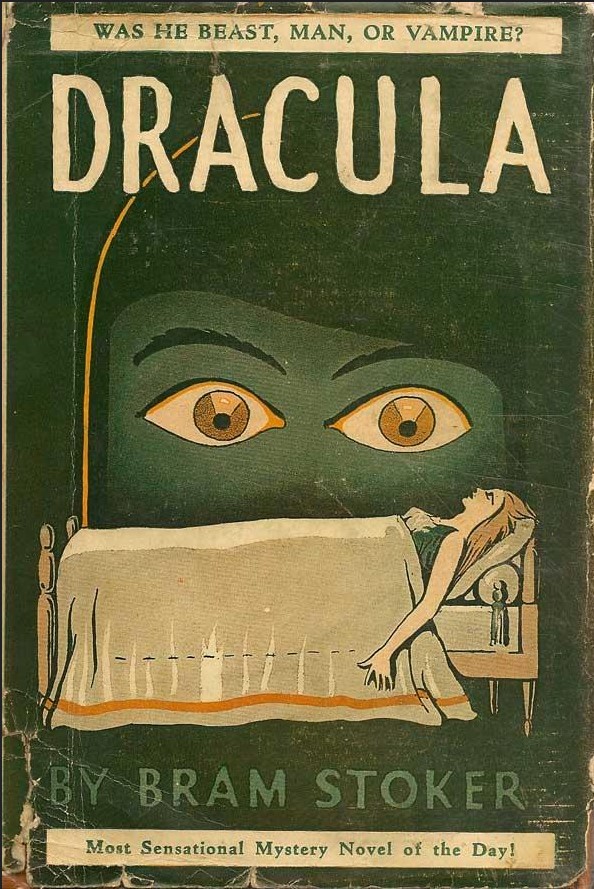
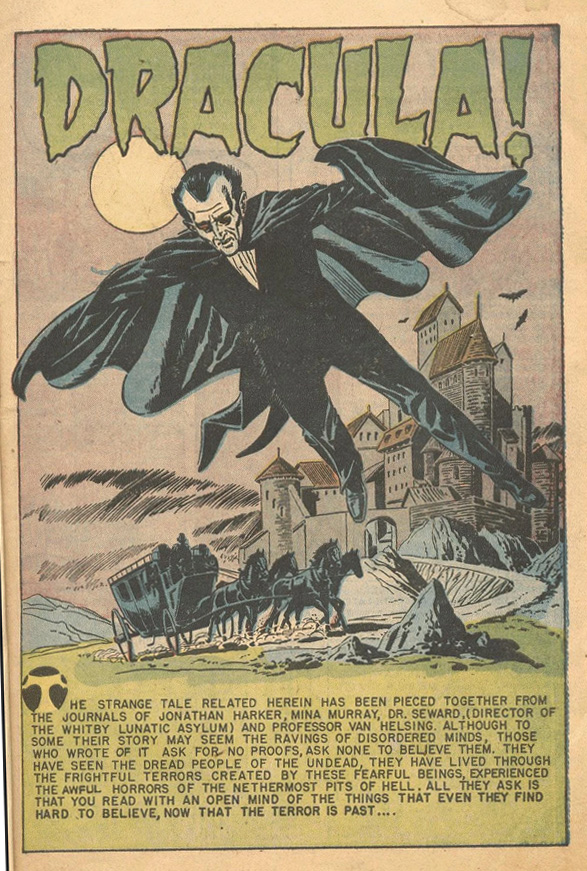
May 3rd is nigh, the date that Jonathan Harker left Munich at 8:35 P.M. by train, en route to his mysterious destination, Transylvania. Harker’s journal states: “I was not able to light on any map or work giving the exact locality of the Castle Dracula, as there are no maps of this country…” Directed by Count Dracula, Harker arrives at the Golden Krone Hotel, where he is handed a deceptively friendly note signed “Your friend, Dracula.”
However, the cordiality conveyed by the vampire’s breezy message — “Welcome to the Carpathians. I am anxiously expecting you. Sleep well to-night. …” — is thoroughly at odds with ominous signs Harker becomes aware of in the next two chapters.
Horror Poem 1:
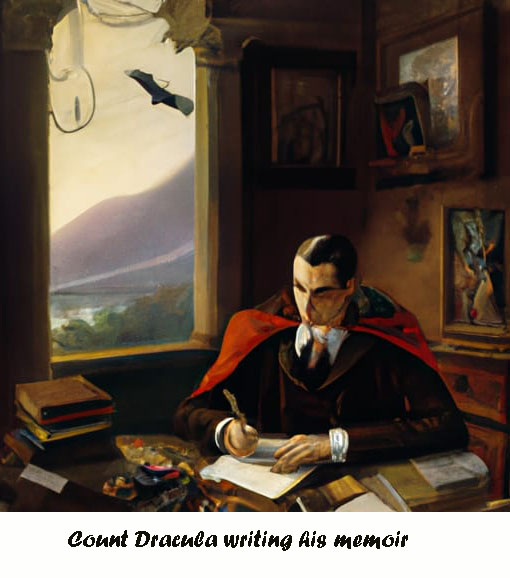
In my poem “Dracula Considers Writing a Memoir,” I focused on the unnerving memories that an undead predator, one who is very fond of writing, might wish to preserve:
. . . Undated mice-nipped letters, diaries,
Recalling sentences of women who
Kissed back, held hands, embraced in dark hallways,
Relationships creating lonelier
Nights after appetite had used them up. . .
[Read the poem in Quail Bell Magazine]
Horror Poetry Tip 1:
When it comes to horror’s well-worn monsters (vampires, werewolves, witches, ghouls, etc.), apply a pinch of what if? and a layer of innovation. What kind of sinister prenuptial terms would a wolfman stipulate? What foul home remedies would a witch concoct? What sort of manipulative love letters would Frankenstein send to entice a mail-order bride? Since readers already know the framework of these origin stories, by putting a menacing figure in an unfamiliar situation, you’ll arouse anticipatory dread – – the lure of unsettling uncertainty.
Horror Poem 2:
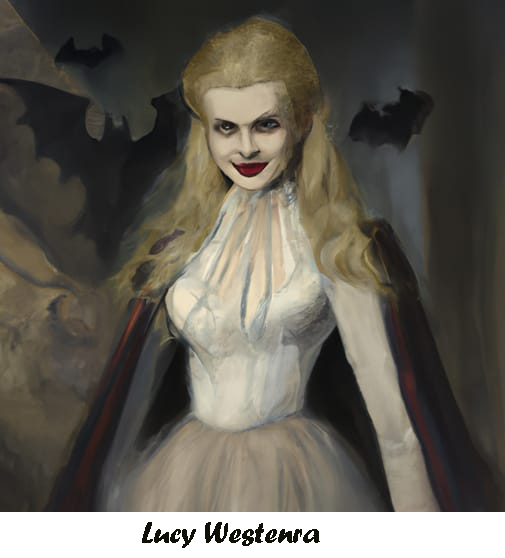
Introduced by a May 11th letter to Mina Murray (Jonathan Harker’s fiancée), Lucy Westenra will become Dracula’s prey. Stoker counted on the vampiric metamorphosis of naïve, pure Lucy Westenra to alarm and horrify Victorian readers. Lucy’s shift from a nineteen-year-old flirt to a beastly inversion of a good mother, seeking young children to feast upon, is something that still violates society’s norms.
In my poem ” Lucy Westenra, Somnambulist,” I emphasized her wanton urges and pedophilia:
. . . Ageless, preserved, my beauty’s my bait.
“Come closer, child! Let me teach you a game!
Who am I? Mistress of my darkest dreams.”
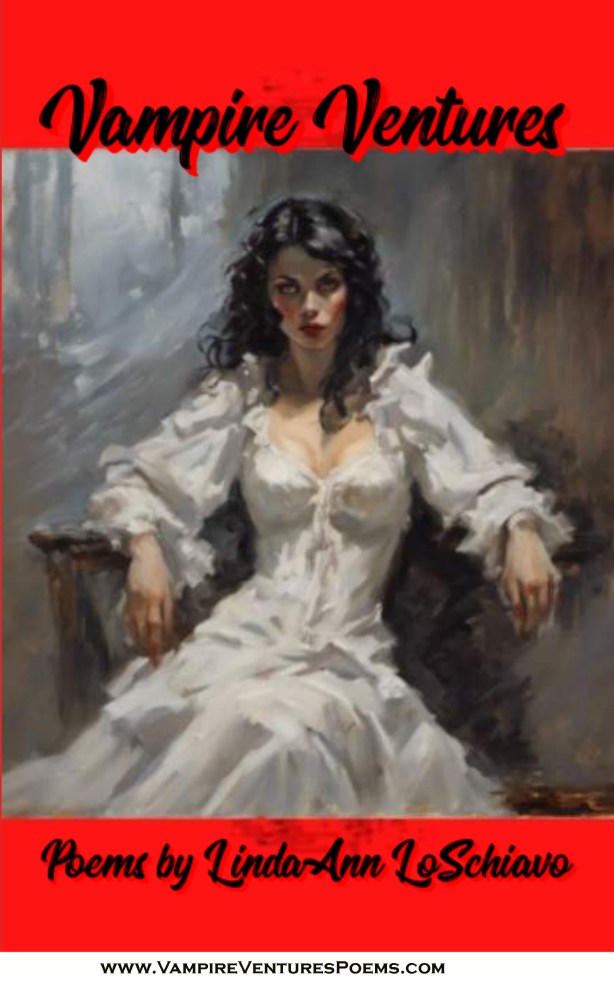
[Read the poem in Vampire Ventures]
Horror Poetry Tip 2:
Horror writing is about unearthing terror. If the monstrous topic, image, or behavior would raise the poet’s goosebumps, and the metaphors convey it convincingly, chances are good that it will haunt the audience, too. Rebecca Adams, a wordsmith from Assignment Help and Essay Services, advises, “Engage all the senses in your verse—evoke touch, taste, scent, and sound to immerse your readers deeper into the nightmarish world you’re weaving. This authenticity is the key to readers empathizing with your narrator and sharing their disquiet.”
Horror Poem 3:
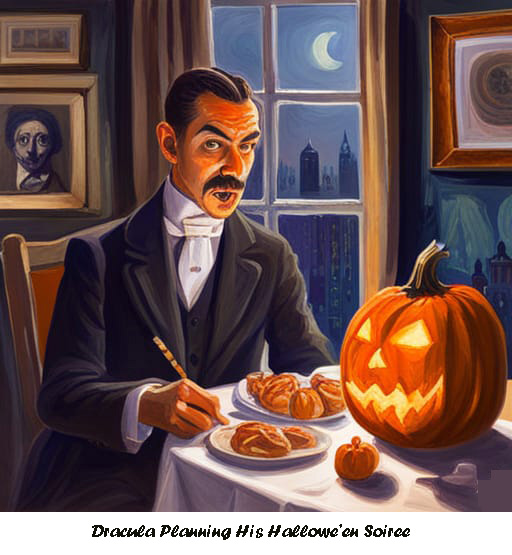
In my poem “Dracula Plans His Hallowe’en Soiree,” I hinted at the menacing outcomes that might have befallen his visitors or unwitting party guests:
. . . Expected entertainment, catering,
Décor: a bachelor like Dracula
Tries to outdo last year’s event— though some
Attended by mistake and won’t return. . . .
[Read the poem in Bewildering Stories, Issue #1019, October 27, 2023 or in The Raven Review, Fall 2023 issue]
Horror Poetry Tip 3:
Show don’t tell, a rule that applies to all writing, is the difference between keeping a reader riveted — or bored. Think of how T.S. Eliot’s “The Waste Land” masterfully shifts structure to amplify disorientation, loss, and philosophical unease. Similarly, masterful horror writing thrives on suspenseful suggestion, letting the reader’s imagination fill the unsettling gaps. A skillful use of metaphor and simile casts ambiguous shadows, arousing apprehension and trepidation with such carefully chosen words that even the person’s living room starts to seem sinister and unsettling.
So lead your reader into the darkness and, once you’ve grabbed attention, never let up.

 411 on Books, Authors & Publishing
[…] guest post, “Dancing with Dracula: Writing Horror Poetry Based on Bram”, 411 on Books, Authors, and Publishing, May 2nd, 2024, https://booksauthorsandpublishing411.com/2024/05/02/guest-post-dancing-with-dracula-writing-horror-p… […]
LikeLike